



Feedstock certainty, downstream integration and decarbonisation to drive global competitiveness.
Refinery–Petrochemical Integration Key to India’s Next Chemical Growth Cycle: Ramya Bharathram.
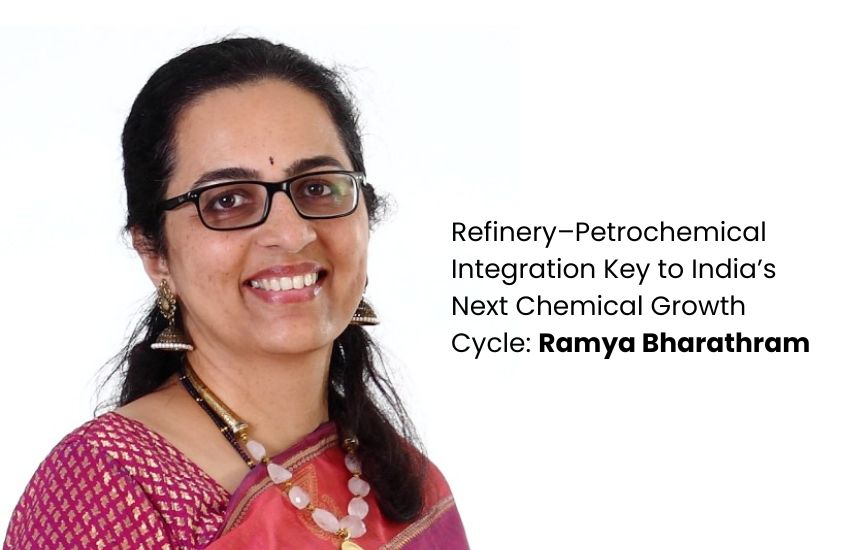
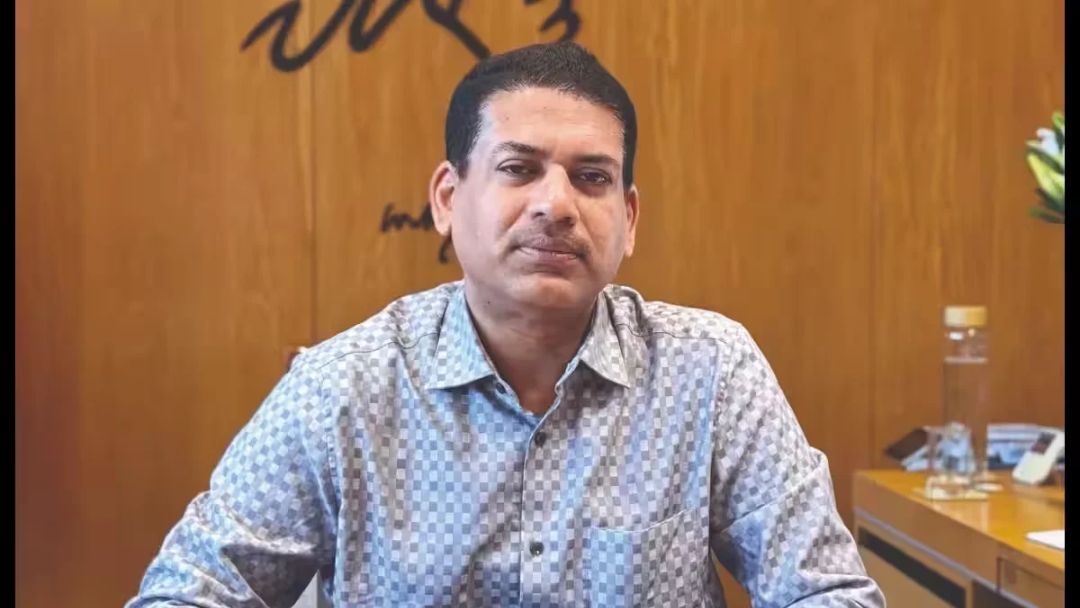
Refinery–Petrochemical Integration Is Key to India’s Next Chemical Growth Cycle. Ramya Bharathram. India’s chemical sector requires significant structural reforms to advance up the global value chain, says Ramya Bharathram, Managing Director and CFO of Thirumalai Chemicals and President of the Indian Chemical Council. Speaking to ETEnergyWorld, she observed that India’s historical focus on bulk chemicals like polypropylene has limited investments in high-value specialty derivatives, despite evolving market dynamics highlighted earlier by NITI Aayog. She highlighted heavy reliance on imports for key intermediates and a chemical trade deficit exceeding $30 billion, emphasising that refinery–petrochemical integration and new cracker capacities are essential for securing feedstock. Port-based integrated complexes, common-carrier pipelines, transparent global-linked pricing, and long-term supply agreements were identified as vital enablers. On sustainability, Bharathram stated that Indian producers are preparing for the EU’s Carbon Border Adjustment Mechanism by investing in decarbonisation and energy efficiency, positioning the industry to stay competitive as carbon compliance becomes a financial obligation.