



India’s Clean Energy Push Shifts Focus to Storage and Grid Flexibility.
Battery storage capacity reaches nearly 10 GWh as India strengthens transmission infrastructure and targets 900 GW of installed power capacity by 2035.
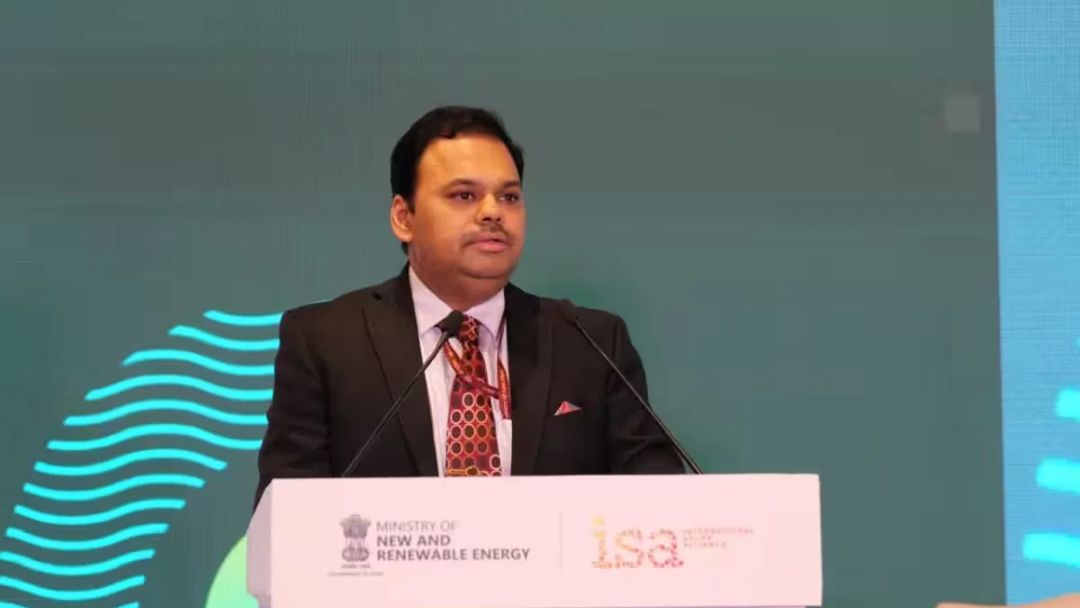
Battery storage capacity reaches nearly 10 GWh as India strengthens transmission infrastructure and targets 900 GW of installed power capacity by 2035. India is shifting its clean energy strategy towards transmission expansion, energy storage and grid flexibility to improve renewable power integration, according to JVN Subramanyam, Joint Secretary at the Ministry of New and Renewable Energy (MNRE). The country’s battery storage capacity has increased from around 0.7 GWh to nearly 10 GWh over the past 10–11 months. The government expects timely transmission projects and storage investments to reduce renewable energy curtailment. India remains committed to its 500 GW non-fossil energy target and aims for approximately 900 GW of total installed capacity by 2035, with non-fossil sources accounting for 60%. Annual renewable energy installations increased from around 23 GW to 55 GW, including 44–45 GW of solar capacity. Meanwhile, domestic solar module manufacturing capacity has expanded from approximately 8 GW to nearly 200 GW. The government is also promoting battery storage to shift surplus daytime solar electricity to peak-demand hours, improve grid reliability and moderate price volatility. Policy support and growing investments continue to strengthen India’s renewable energy sector.