



Higher upfront costs, but long-term savings can offset fuel and power price shocks.
Rising Energy Bills: How EVs and Rooftop Solar Can Shield Household Finances.
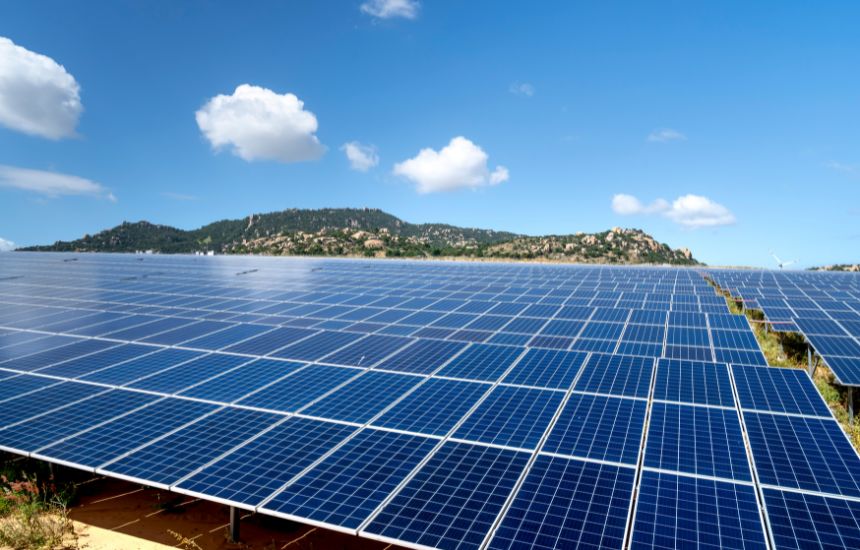
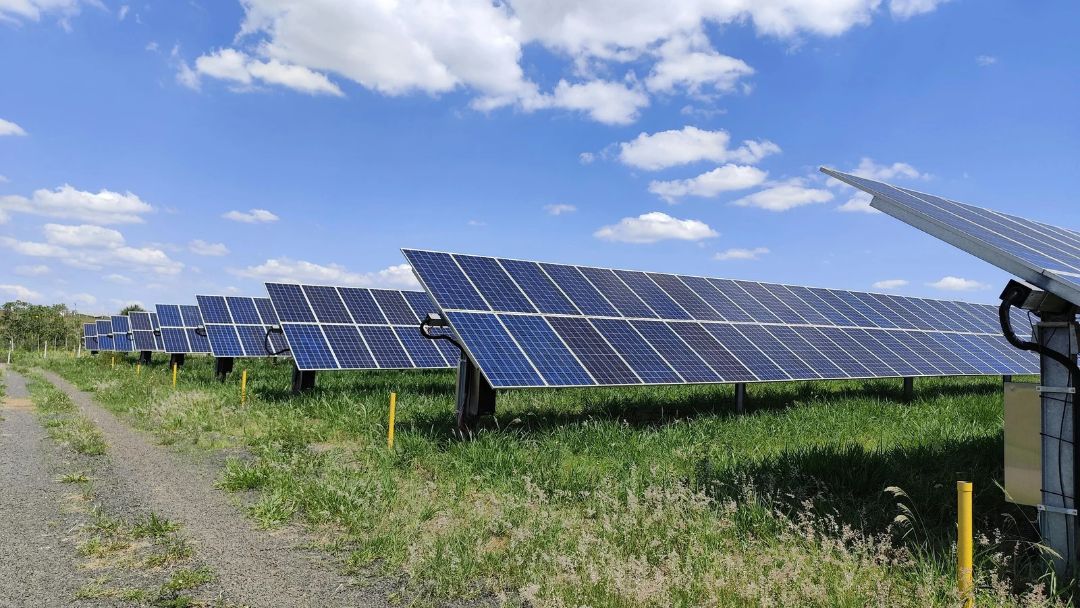
Rising Energy Bills: How EVs and Rooftop Solar Can Shield Household Finances. With fuel prices volatile, electricity tariffs edging up, and LPG linked to global markets, Indian households are increasingly vulnerable to rising energy costs. While government policies have so far cushioned retail fuel prices, this protection may not last. The question for households is no longer if costs will rise, but how prepared they are. Electric vehicles (EVs) are emerging as a viable hedge against fuel inflation, particularly for families with regular daily travel. On a per-kilometre basis, EVs are significantly cheaper to run than petrol or diesel cars. According to estimates cited by the International Energy Agency, conventional cars in India consume enough fuel to cost users up to ₹1.8 lakh annually, depending on usage and fuel type. Rooftop solar offers even stronger insulation from rising power tariffs. Households generating surplus electricity can reduce bills to zero and recover installation costs within five to six years. While upfront investments are substantial, EVs, solar panels, and induction cooktops together can meaningfully stabilise household energy budgets over the long term.