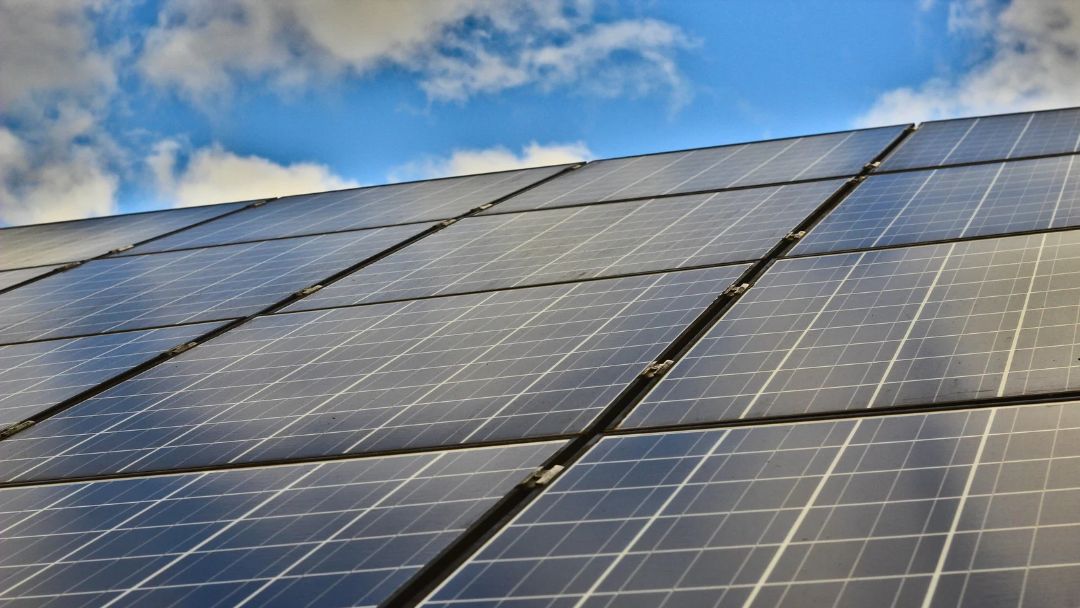




With over 140 GW installed, solar power becomes the backbone of India’s clean energy future.
Solar Leads India’s Power Transition as Non-Fossil Capacity Crosses 50%: Shripad Naik.
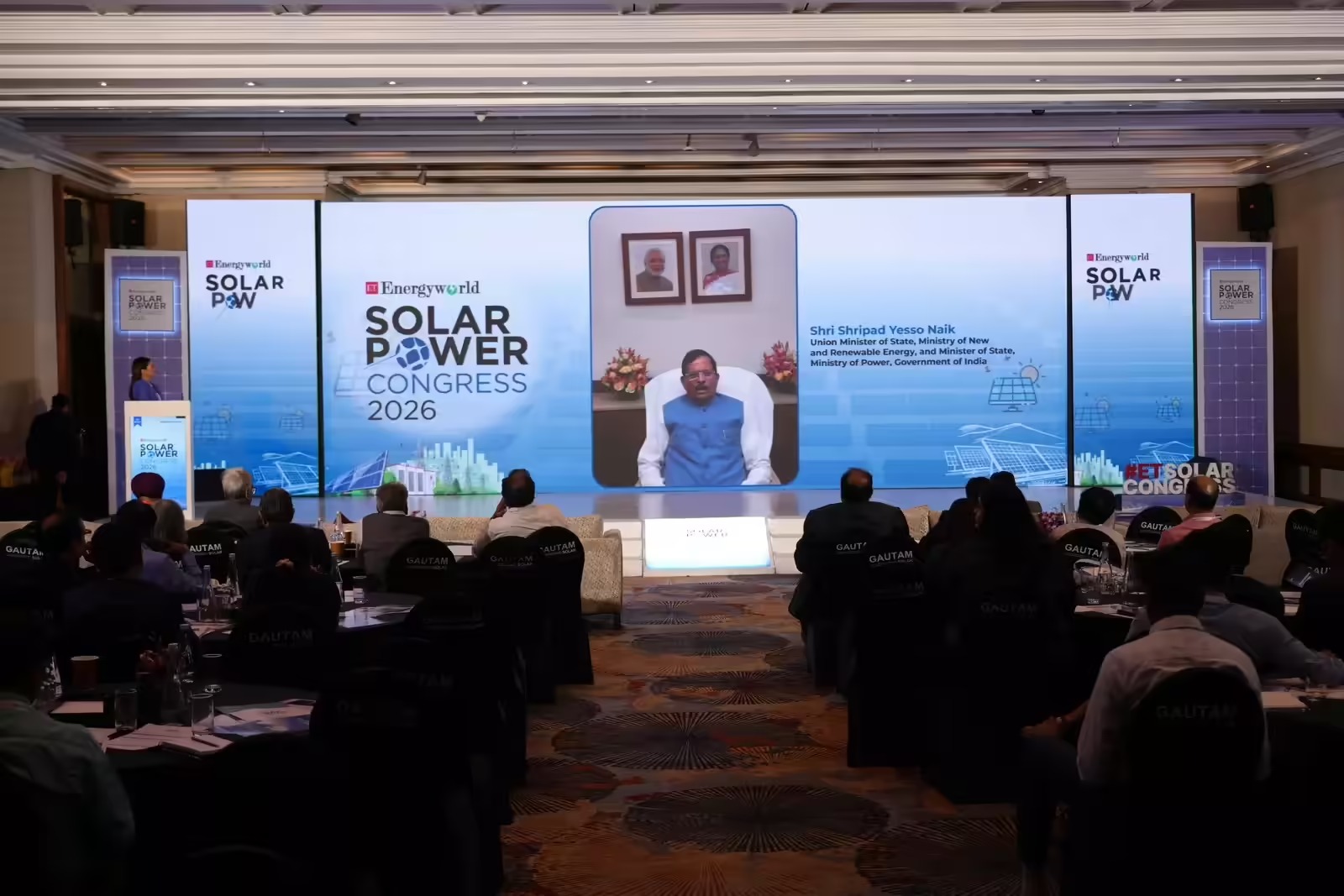
India’s Solar Leadership as Non-Fossil Capacity Surpasses 50%: Shripad Naik. Solar energy has become the key pillar of India’s energy transition, with non-fossil fuel sources now representing over 50% of the country’s total installed power capacity, said Union Minister of State for Power and New & Renewable Energy Shripad Yesso Naik at the ET Energyworld Solar Power Congress 2026. Speaking virtually, Naik pointed out that India’s solar capacity has exceeded 140 GW, driven by policy measures supporting both utility-scale and distributed solar development. He emphasised flagship schemes such as PM-KUSUM and PM Surya Ghar: Muft Bijli Yojana, which promote rooftop and farm-level solar adoption and empower citizens to become energy producers. Beyond providing energy access, solar power offers climate benefits, with a typical 1-kW system producing 1,400–1,500 units annually and preventing nearly one tonne of carbon emissions. Looking forward, Naik underscored that battery storage, pumped storage, green hydrogen, and robust domestic manufacturing will be vital for maintaining reliable, affordable clean energy in the next stage of India’s renewable journey.