



Solar Scheme May Spur Induction Cooktop Push Amid Energy Disruptions
India may extend PM Surya Ghar support to induction cooktops to reduce LPG dependence and strengthen household energy security.
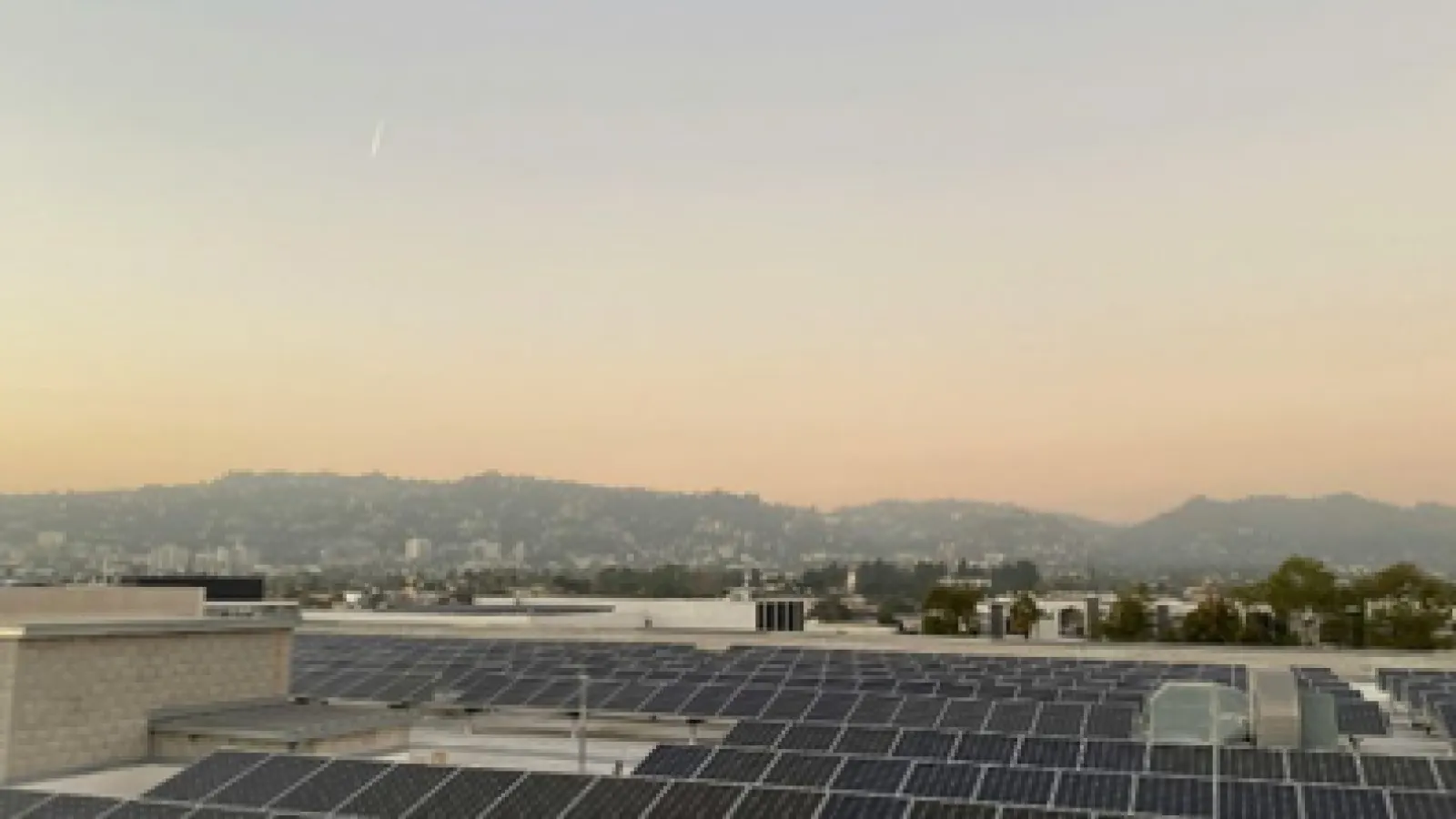
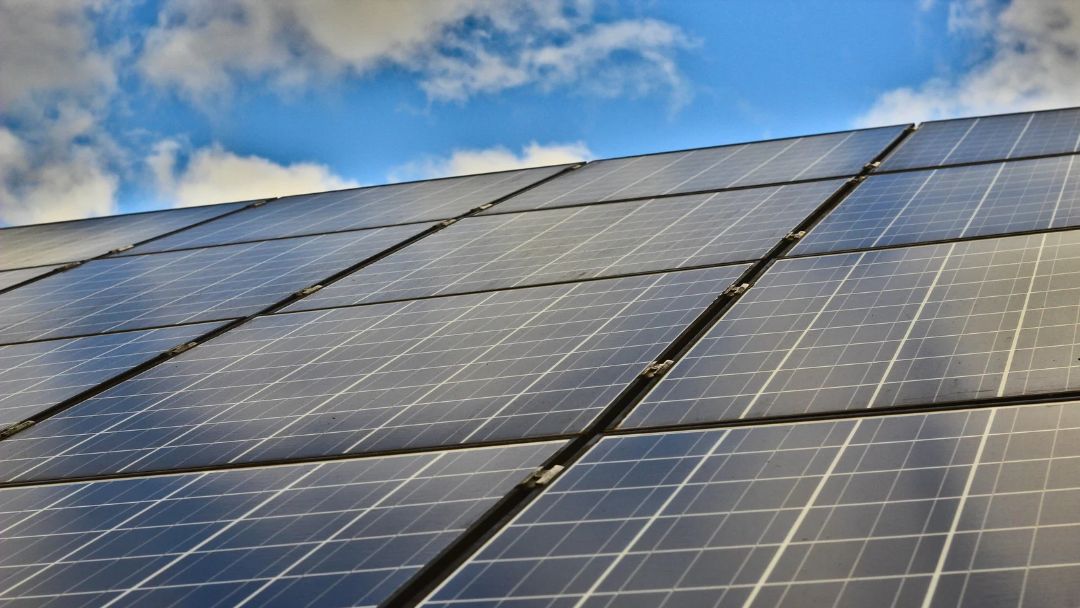
India is considering expanding the scope of the PM Surya Ghar: Muft Bijli Yojana to include support for induction cooktops, as global energy disruptions linked to the Iran conflict raise fresh concerns over fuel security and import dependence. Senior-level discussions are currently underway, with the Ministry of New and Renewable Energy working to finalise the framework aimed at promoting not only ownership but actual usage of electric cooking appliances. The proposed move is targeted at India’s massive consumer base of over 320 million active LPG connections, including nearly 100 million households covered under the Pradhan Mantri Ujjwala Yojana. Policymakers believe that encouraging electric cooking powered by rooftop solar can significantly reduce dependence on imported LPG and fossil fuels, while improving energy resilience at the household level. The government is reportedly exploring a dual strategy to accelerate this transition—strengthening domestic manufacturing capabilities and boosting consumer adoption through fiscal incentives. Proposed measures under discussion include tax reductions on induction cooktops, lower customs duties on essential components, and a proposal by the commerce ministry to reduce GST on such appliances from 18% to 5%. Industry stakeholders are also being consulted to address supply-chain and pricing challenges, ensuring that induction-based cooking becomes both affordable and scalable. If implemented, the initiative could strengthen India’s clean energy ecosystem by integrating solar generation directly into household consumption while reducing pressure on conventional fuel imports. The policy shift reflects a broader strategic pivot toward energy security, positioning rooftop solar and electric cooking as critical tools in India’s long-term transition to cleaner, decentralised energy systems.