



Rising electricity costs deepen the heat crisis for low-income households despite grid resilience and renewable plans.
High Power Tariffs Leave Cooling Out of Reach in India’s Hottest Regions.
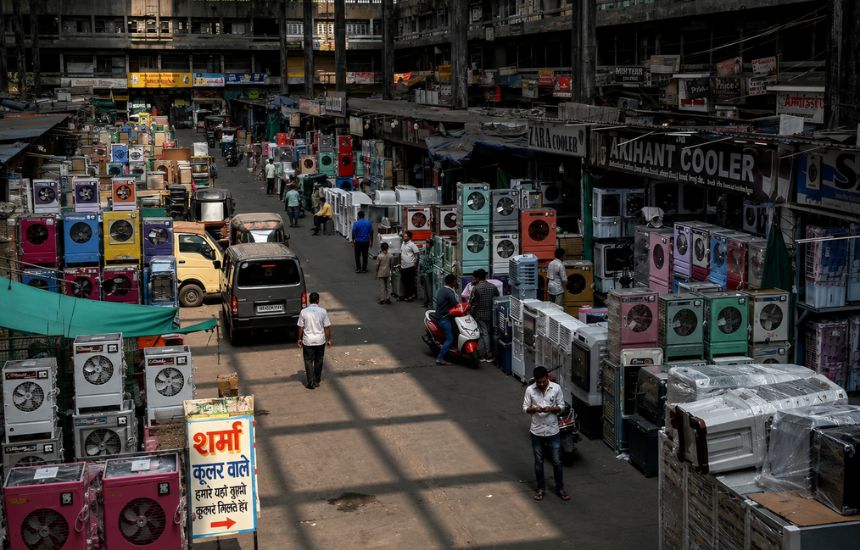
High Power Tariffs Leave Cooling Out of Reach in India’s Hottest Regions. In India’s heat-scorched heartland, soaring electricity costs are pushing basic cooling beyond the reach of millions. In and around Nagpur, where summer temperatures regularly cross 40°C, power infrastructure has been upgraded to handle peak demand, but affordability remains the real crisis. Maharashtra, among the costliest power markets in the country, leaves low-income families rationing electricity and enduring sweltering homes. For many households, power bills consume over 10% of their monthly income, forcing residents to go outdoors at night to escape the heat. According to Maharashtra State Electricity Distribution Co., rising capital expenditure has added pressure on tariffs. While the state plans to cut residential tariffs by increasing renewable energy through 2030, benefits will largely favour very low-income consumers. Experts like Rohit Magotra of Integrated Research and Action for Development warn that electricity access without affordability fails to deliver cooling security. With heat stress projected by McKinsey Global Institute to threaten 4.5% of India’s GDP by 2030, the gap between power supply and human comfort is becoming a critical development challenge.