



Why Aluminium Curtain Wall Systems Are Shaping the Future of Façades
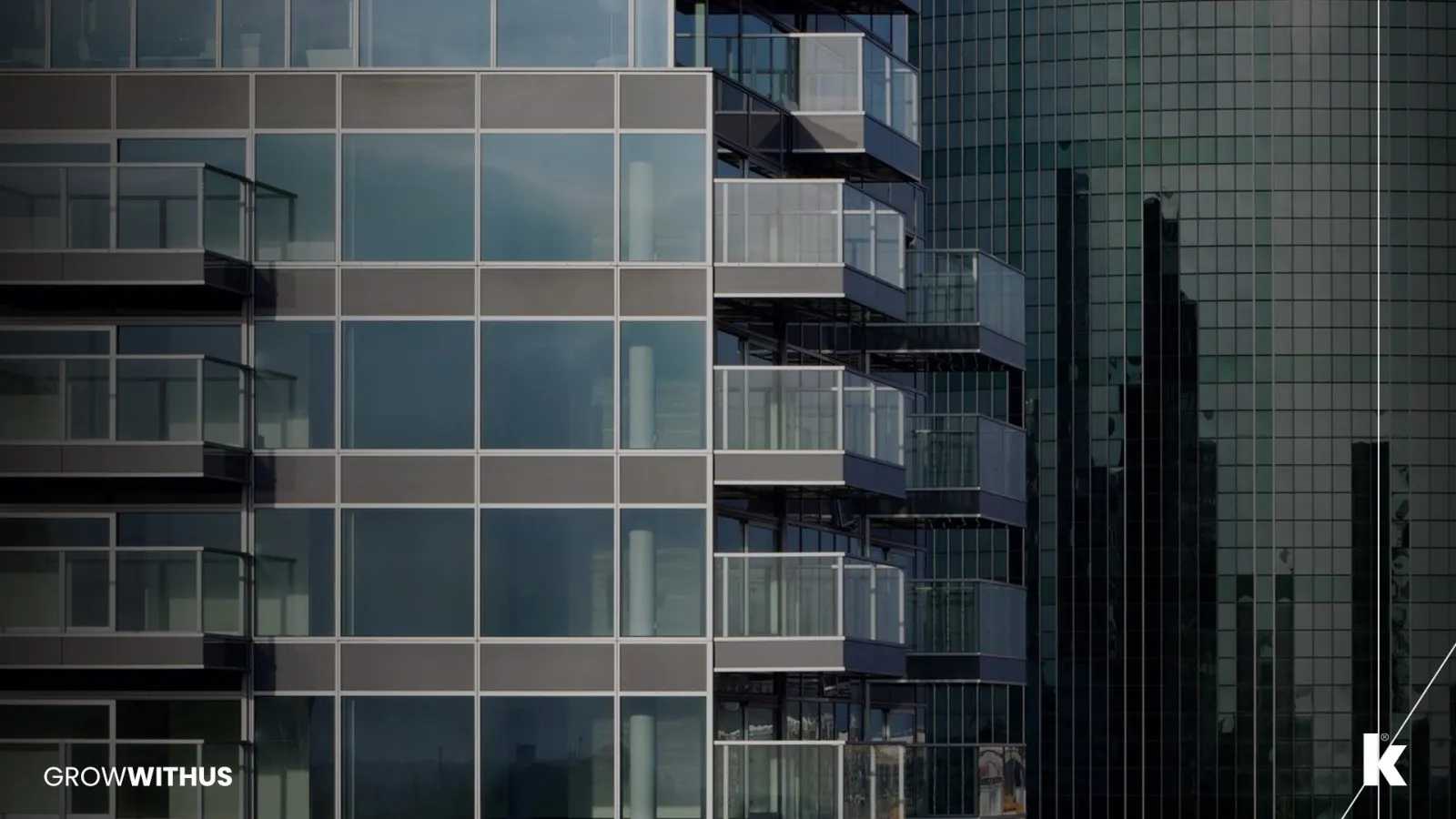
Why Aluminium Curtain Wall Systems Are Shaping the Future of Façades
Sponsored Guest Post | AluK India
A building's façade is no longer simply an architectural statement. Today, it plays a critical role in energy efficiency, occupant comfort, daylight management, weather protection and the overall sustainability of a building.
As architecture continues to evolve, the building envelope is becoming increasingly sophisticated. Among the many façade technologies available today, aluminium curtain wall systems have emerged as an important solution for creating high-performance, visually striking and durable buildings.
Curtain Walls Are Redefining Modern Building Envelopes
Modern commercial and high-rise buildings demand façade systems that deliver much more than aesthetics. Curtain wall systems form an external building envelope that is independent of the primary structural frame while helping manage wind loads, water penetration, thermal performance and natural daylight.
Depending on project requirements, these systems can be designed as stick-built, semi-unitised or fully unitised solutions. This combination of engineering precision and architectural flexibility makes aluminium curtain walls suitable for a wide range of developments, including corporate offices, airports, hotels, healthcare facilities, commercial complexes and mixed-use projects.
Aluminium Offers Design Freedom at Scale
Architects today are increasingly working with larger glazed surfaces, slimmer sightlines and distinctive building geometries. Aluminium provides the strength required to support expansive glazing while allowing designers to maintain lightweight and elegant profiles.
The result is a façade that can combine structural performance with contemporary architectural expression.
Large glass surfaces can also help maximise natural daylight, creating brighter and more comfortable interior environments while supporting the design objectives of modern commercial and residential developments.
Engineered for Long-Term Performance
A façade is expected to perform for decades, often under challenging environmental conditions. Aluminium is naturally resistant to corrosion and offers dimensional stability with relatively low maintenance requirements.
When combined with appropriately engineered profiles, glazing, seals and drainage systems, aluminium curtain wall solutions can provide reliable performance against environmental loads and weather conditions.
This long-term performance is particularly important for large developments where façade durability can have a significant impact on maintenance requirements and lifecycle value.
Supporting Energy-Efficient Buildings
The performance of a façade has a direct relationship with the energy efficiency of a building. Modern aluminium curtain wall systems can incorporate thermal break technologies and high-performance glazing to help reduce unwanted heat transfer.
When properly designed, these components can contribute to improved thermal insulation, better indoor comfort and more effective daylight utilisation.
For architects and developers looking beyond initial construction, the ability of a façade system to contribute to the long-term operational performance of a building is becoming increasingly important.
Aluminium and the Move Towards Sustainable Construction
Sustainability is also influencing material selection across the construction industry. Aluminium can be recycled repeatedly without losing its fundamental properties, making it an important material for circular construction approaches.
When incorporated into high-performance façade systems and supported by responsible design and manufacturing practices, aluminium can contribute to the broader sustainability objectives of modern buildings.
The Shift Towards Unitised Curtain Wall Systems
Construction schedules are becoming tighter, while expectations around quality and precision continue to increase. This is one reason why unitised and semi-unitised curtain wall systems are gaining attention.
A significant portion of the façade can be manufactured under controlled factory conditions before being transported to the project site. This approach can improve manufacturing consistency, reduce on-site installation time and help minimise construction waste.
For large-scale developments, the combination of speed, precision and quality control can provide significant advantages.
The Future of High-Performance Façades
The future of architecture will not be defined only by how buildings look, but also by how effectively they perform.
As buildings demand greater energy efficiency, resilience, comfort and sustainability, aluminium curtain wall systems are becoming an increasingly important part of modern façade design.
They provide architects with the freedom to realise ambitious design concepts while addressing the complex technical requirements of contemporary construction.
Architects and developers looking for high-performance façade solutions can explore AluK aluminium façade and curtain wall systems designed for contemporary residential and commercial projects.
Tomorrow's landmarks will be recognised not only for their appearance, but also for the intelligence built into every layer of their building envelope. Increasingly, that performance begins with the façade.
To discuss project requirements, system selection and façade solutions, connect with AluK experts.
To explore customizable, high-grade architectural solutions designed for modern commercial standards, visit AluK aluminium façade and curtain wall systems. For technical support and tailored engineering specifications, connect with AluK experts today.

-preview.webp)
-preview.webp)
-preview.webp)
-preview.webp)
-preview.webp)