



India's ₹14,500 Crore Energy Storage Push Targets China's Battery Dominance.
New VGF scheme aims to add 92 GWh of storage capacity by 2031, strengthen renewable power reliability and boost domestic battery manufacturing.
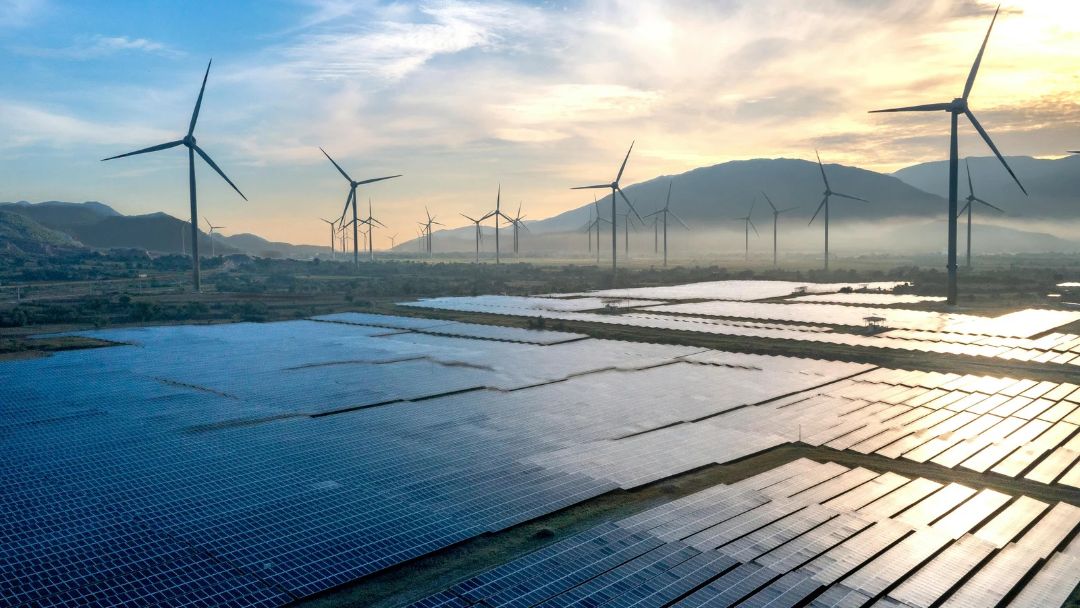
New VGF scheme aims to add 92 GWh of storage capacity by 2031, strengthen renewable power reliability and boost domestic battery manufacturing. India has approved a ₹14,500 crore Viability Gap Funding (VGF) scheme to accelerate domestic energy storage development, strengthen renewable energy reliability and reduce dependence on imported batteries. Approved by the Union Cabinet on November 4, 2026, the initiative aims to develop 92 GWh of grid-scale storage capacity between 2026-27 and 2030-31, involving an estimated investment of ₹97,600 crore. The capacity will include 60 GWh of pumped hydro storage, 30 GWh of Battery Energy Storage Systems (BESS) and 2 GWh from emerging technologies. The scheme also introduces a minimum 40% domestic content requirement for battery storage projects to encourage indigenous manufacturing. However, China's dominance in lithium refining, battery cells and critical components remains a major challenge. Despite existing manufacturing incentives, India's domestic battery industry is still developing. Expanding cell production, critical mineral processing and recycling will be essential to achieving long-term energy security and technological independence.